
Marta Meyer · Psychotherapist, Teacher & Writer
What actually liberates human beings?
That question is the center of my work. For more than twenty-five years, I have been trying to understand the human psyche, what keeps us trapped, what frees us, and what allows real transformation to happen.
I ask not only how we manage the wound, but what it genuinely takes for a person to stop being governed by it.
This inquiry has taken me through relational and developmental psychotherapy, ancestral and systemic approaches, expanded states of consciousness, and spiritual traditions—all of which have widened my understanding of what healing can be.
Our deepest nature remains whole
Beneath the adaptations and identities we have formed to ensure belonging and survival, there is a core that remains fundamentally intact.
That core is our deepest nature, our light: the part of us that cannot be defined by trauma or personal history.
For me, transformation is a process of unburdening: seeing, feeling, and loosening the patterns that keep us from living with greater freedom, aliveness, connection, and agency.
Liberation is not about becoming a better self. It is about becoming increasingly able to inhabit the life that is already ours.

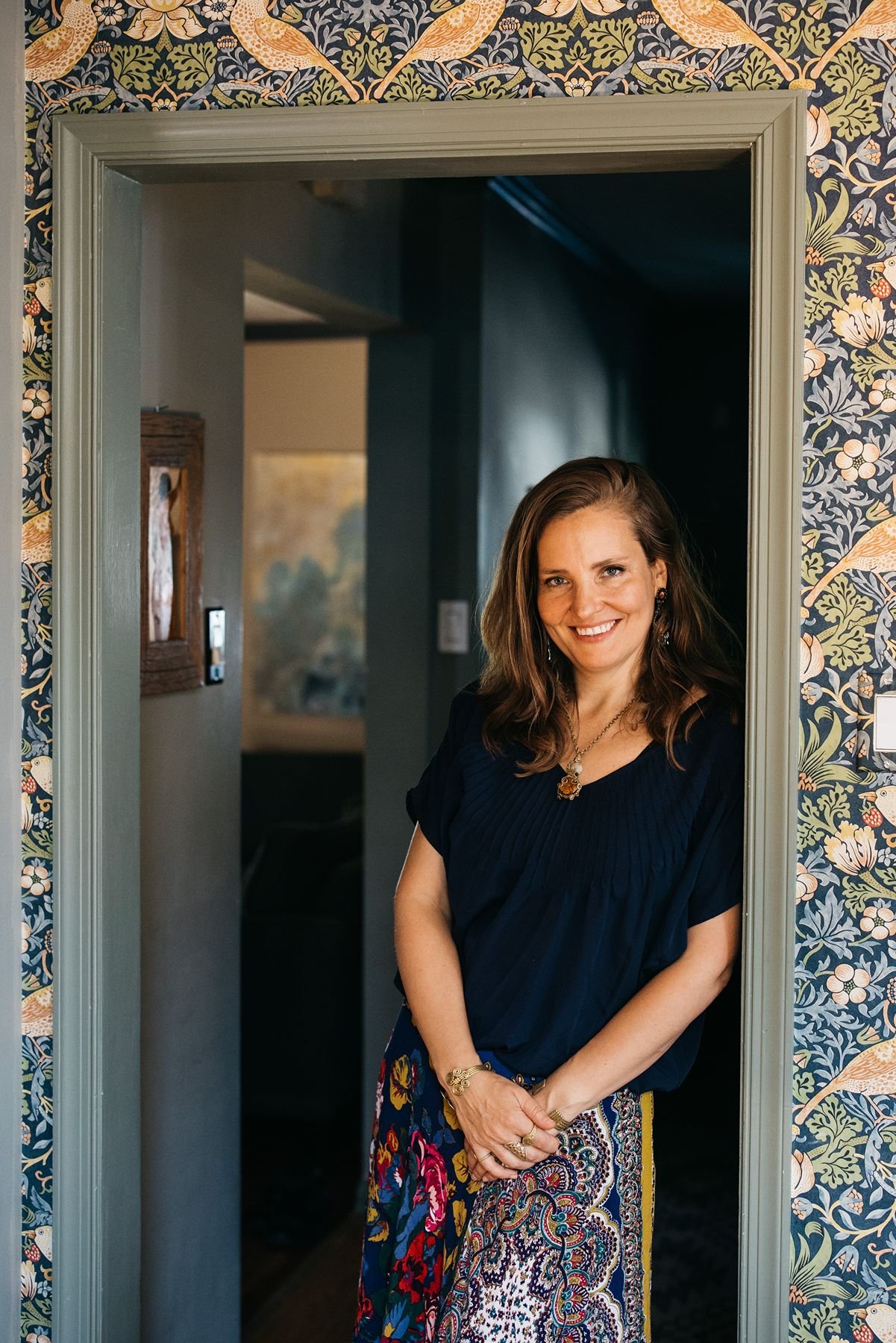
“Liberation is not about perfecting ourselves. It is about becoming more fully available to our lives, our bodies, our relationships, and what life is asking of us.”
Beyond symptom management
Symptom relief is important. At the same time, symptoms are not necessarily the enemy. Anxiety, depression, numbness, or compulsive patterns may be ways that a wiser part of us asks for attention.
I am interested in listening to what a symptom may be communicating rather than treating it only as something to suppress.



The individual is not the whole story
We come into this world with a strong desire to belong. We inherit loyalties and entanglements that are often unconscious. We may carry ancestral grief that was never fully felt, fear that once kept someone alive, or ways of loving and surviving that made sense in another generation.
We are also shaped by the culture around us: by individualism and by social hierarchies, including those based on race, class, and gender. These forces can become internalized, often without our awareness.
We did not choose what came before us or the world into which we were born. But the work of becoming free belongs to us.
That work begins by recognizing what we have inherited and absorbed. We cannot transmute what we cannot see.

Our humanity is not an obstacle to freedom
I am wary of forms of transformation that ask us to rise above our humanity: to transcend the body, bypass our histories, or leave behind the younger and more vulnerable parts of ourselves.
These tender places may still carry childhood fears and hurts, but they are part of what makes us human. Instead of treating them as obstacles to freedom, we need to attune to them and learn to embrace them.
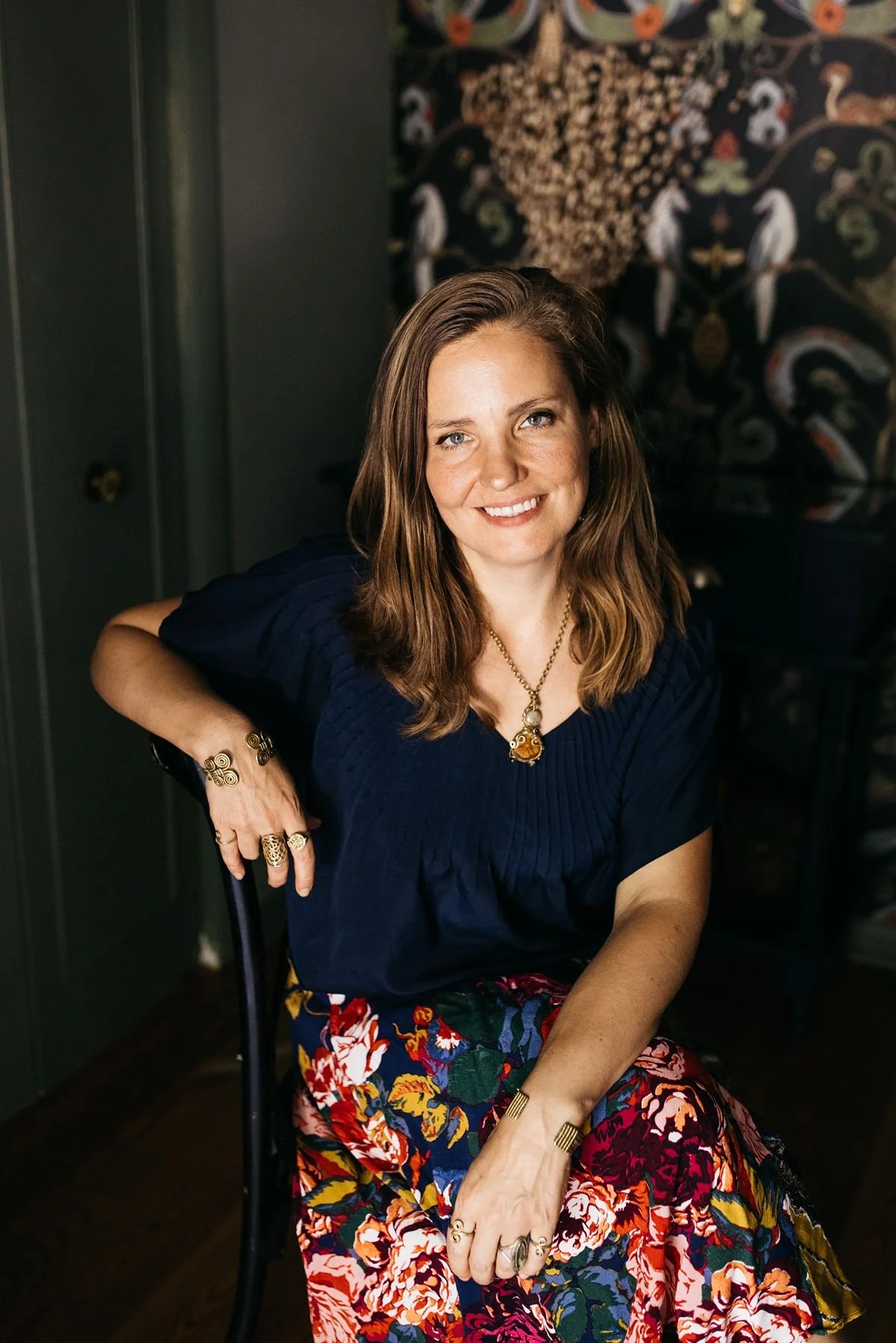
If we want the branches to go far, we strengthen the roots.

Three strands of the same work
Therapy, teaching, and writing are not separate practices for me.
They are three ways of asking the same question:
What allows a human being to become more free?
Therapy
Some people arrive with lives that look good on paper, yet carry a persistent inner sense that something is not right. Others have already done years of meaningful therapy but feel they have reached the limit of what that work can offer them.
I keep my practice small so that I can give each person sustained attention and allow the work to deepen over time. The aim is not simply to function better, but to inhabit your own life more fully.

Teaching & Supervision
Alongside my clinical practice, I teach and supervise therapists and other practitioners who want to work with greater depth and relational awareness.
I am especially interested in what happens between therapist and client: the enactments we participate in and the assumptions and blind spots we bring into the room.
I offer professional trainings, experiential process groups, consultation, and supervision.

Writing
My essays and reflections grow out of one central question: What actually liberates human beings?
I consider why people can gain profound insight in therapy yet remain fundamentally trapped, and what lasting transformation may require. These questions lead into the embodied, relational, ancestral, communal, and spiritual dimensions of human experience.
I am also developing a book for a wider audience that explores the same themes in greater depth.

A book in development
What liberation actually requires
I am writing a book about why profound insight does not always set us free and what lasting transformation may require. It looks at developmental wounds, inherited trauma and unconscious loyalties, cultural programming, and the identities we construct to remain safe and to belong.
But the book is not ultimately about pathology. It begins from a different premise: these forces may obscure our deepest nature, but they cannot extinguish its light.
As their hold begins to loosen, more of who we are can become available. The book is not about perfecting ourselves, but about becoming freer and more alive—and inhabiting a life that is genuinely our own.


If something here resonates
You may be seeking therapy, looking for supervision or professional development, or responding to something in my writing. Whatever brought you here, you are welcome to get in touch.
I read every inquiry and respond personally. I am thoughtful about whether I am the right person for what you need; if I am not, or if I do not have availability, I will do my best to offer a referral.